
Why a Montessori Learning Center Fremont Can Inspire Independent Learning
Children don’t become independent simply because adults ask them to do things on their own. They need real opportunities- small choices, chances to try things themselves, moments where they figure out that they can actually work through a challenge. That’s where the environment makes a difference. A Montessori Fremont program gives children room to participate in their learning while keeping a teacher nearby when support is needed. Over time, these everyday experiences change how children approach tasks, make decisions, and respond when something doesn’t go right the first time.
What Does Independent Learning Look Like at the Preschool Age?
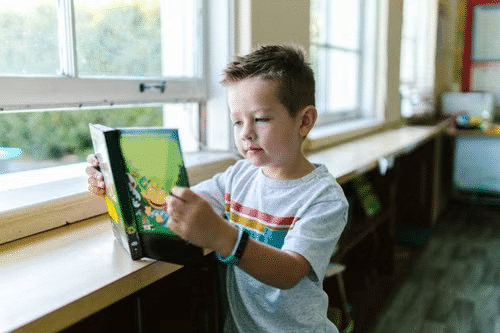
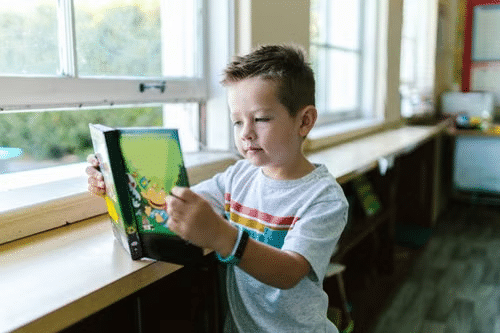
For young children, independent learning isn’t about sitting alone completing academic work. It looks much simpler- choosing an activity, gathering materials, attempting something, staying with it, or asking for help after trying first.
These experiences teach children the ability to make decisions and understand that they can help to solve problems instead of always waiting for an adult to do it. Independence also develops gradually. A child who needs considerable help with something today can become far more capable with practice and familiarity.
What Happens When Children Are Given Room to Make Their Own Choices?
Children become more involved when they have some control over what they’re doing. In a Montessori environment, choices happen within clear boundaries, not unlimited freedom.
A teacher might provide a number of appropriate activities and let the child select the one they want to work with. The child starts, stays interested, and knows when it is done. This gives children experience in decision-making and allows teachers to see their interests, abilities, and areas where they might need support.
How Can Children Learn From Trying Instead of Being Corrected Immediately?
A mistake can become part of learning when children have enough time to notice what went wrong and try to fix it. If an adult immediately steps in, the child finishes the activity but misses the process.
Montessori learning lets children try something, identify a difficulty, adjust, and try again. The teacher is still there, but not always jumping in at the first sign of struggle. When a child genuinely needs help, support is there. The difference is that help comes from the child’s actual need, not from automatically taking over.
What Does a Teacher Do When the Goal Is Independent Learning?
Independent learning still requires thoughtful teaching. Montessori teachers watch the children to see what they can do, what they are interested in, and if they are ready for something new.
A teacher might demonstrate an activity, watch the child attempt it, and then decide what support is actually needed. Sometimes a small prompt is enough. Other times another demonstration helps.
As the child gains more experience with a task, the role of the teacher changes – to introduce experiences, to guide, and to give more room for the children to manage things themselves. The idea is not to eliminate adult support. It’s making it purposeful.
Why Does the Classroom Environment Matter So Much?
The physical environment determines how much children can do without adults all the time.
Materials and spaces are organized in a Fremont Montessori learning center so children can choose activities and learn how to move through the classroom. When materials have designated places, children learn where to find them and where to put them away.
If activities are presented clearly, children will know what they are supposed to do without being told many times. An organized environment removes unnecessary barriers and provides children with more chances to participate in their own way.
How Does Montessori Support Children Who Are Not Naturally Independent?
Children don’t develop independence at the same pace, and that’s fine. Some are eager to try new things. Others need reassurance first. A child might feel confident in one area and need more help in another.
In a supportive Montessori environment, the differences are responded to. Teachers might offer smaller choices, demonstrate again, be nearby, or simply encourage a reluctant child.
Can Independent Learning Habits Carry Into School?
The habits children develop- starting a task, listening to instructions, managing materials, recognizing when help is needed are useful well beyond preschool.
This connects with Montessori school readiness Fremont, though the goal isn’t making preschool look like elementary school. Children simply become more familiar with participating in routines and taking appropriate responsibility for their work.
What Should Parents Notice When Visiting a Montessori Program?
Parents considering Montessori school programs Fremont can learn a lot just by watching how the classroom operates.
| What Parents Notice | What It Can Indicate |
| Children choose suitable activities | Opportunities for decision-making |
| Teachers allow children time to try | Space to develop problem-solving |
| Materials are accessible | Children can participate more independently |
| Teachers step in when needed | Support remains available |
Are children involved in activities or constantly waiting for instructions? Do teachers give children time to try, or step in immediately? Are materials accessible? Do children seem to know where things belong? These details tell you more than any program description.
How Can Families Support Independent Learning at Home?
Parents can promote similar habits without replicating a Montessori classroom. Age-appropriate responsibilities, limited choice, and plenty of time to try simple tasks before stepping in all help.
Children might choose between two activities, put away their belongings, or try solving a small problem before asking for help. The goal isn’t perfect performance- it’s giving children a reasonable chance to try, make mistakes, and keep going.
How Can a Montessori Setting Make Learning Feel Like Something Children Participate In?
Montessori Fremont programs give kids regular chances to participate, not just follow along. Sparkle Montessori provides an organized environment where good choices, hands-on experiences, and thoughtful teacher guidance all work together.
Children engage in activities with the confidence that if they really need help, it will be there. Over time, that builds real comfort with making decisions and approaching unfamiliar tasks.
Why Can the Right Environment Change How Children Approach Learning?
Independent learning doesn’t develop by asking children to do everything alone. It develops through repeated opportunities to choose, attempt, make mistakes, receive support, and try again.
If you are a family considering a Montessori learning center Fremont, it is worth examining the environment and teaching approach together. At Sparkle Montessori, we provide meaningful opportunities for children to participate. We believe that learning is something they are active participants in- not something that just happens around them.
FAQs
- Does independent learning mean children learn without a teacher?
No. Teachers observe, demonstrate, guide, and step in when children genuinely need support.
- What if my child isn’t naturally independent?
Children develop these skills at different rates. Appropriate choices, encouragement, and gradual challenges build confidence over time.
- How much choice do children have in Montessori?
Choices happen within clear boundaries and age-appropriate expectations, not unlimited freedom.
- Can Montessori independent learning help with elementary school?
It can support habits like following instructions, managing materials, staying engaged, and knowing when to ask for help.